
Kratom and coffee are part of the same plant family. So, does that mean Kratom comes with a built-in caffeine kick? Not quite. Kratom leaves do not naturally contain caffeine, even though both plants belong to the Rubiaceae family. While coffee is known for its caffeine content, Kratom contains different naturally occurring compounds, including mitragynine. However, some commercial Kratom products may include added caffeine or other ingredients. Let's break down the botanical connection, the key differences, and what to look for on product labels.
Key Takeaways
- No natural caffeine: Kratom leaves are not a natural source of caffeine
- Botanical connection: Kratom and coffee belong to the same plant family, Rubiaceae
- Different compounds: Kratom contains alkaloids such as mitragynine, while coffee naturally contains caffeine
- Added ingredients matter: Some commercial Kratom products may contain added caffeine. Always check the ingredient list to understand what's included in a particular formulation
Does Kratom Have Caffeine?
No, Kratom leaves do not naturally contain caffeine. Researchers have identified several naturally occurring compounds in Kratom, including mitragynine and speciogynine. Caffeine isn't recognized as one of its characteristic compounds.
To better understand Kratom caffeine content, here are three important distinctions:
- Natural Alkaloids: Kratom contains compounds that differ from caffeine in their chemical structures and biological interactions
- Scientific Research: Laboratory studies examine Kratom's alkaloid profile using analytical techniques that distinguish its compounds from caffeine
- Product Labels: The word "Kratom" on packaging does not automatically guarantee that a finished product is caffeine-free
For more information about Kratom's chemical composition, explore the NCCIH's research overview.
Is Kratom Related to Coffee?
Yes, Kratom (Mitragyna speciosa) and coffee (Coffea species) belong to the Rubiaceae family, commonly known as the coffee family. Kratom is a tropical tree native to Southeast Asia.
Although they share a botanical family, their origins and plant characteristics differ:
- Kratom: Native to Southeast Asian countries, including Thailand, Malaysia, and Indonesia
- Coffee: Commonly cultivated coffee species originated in Africa, particularly Ethiopia and regions of Central and West Africa
- Botanical Differences: Members of the same plant family can develop distinct chemical compositions, physical characteristics, and naturally occurring compounds
The connection is botanical, not chemical equivalence.
What Does Research Say About Kratom With Caffeine?
Research examining Kratom and caffeine together remains limited. Although these substances interact with the body differently, their combined effects have not been adequately studied in humans.
Existing research highlights several considerations:
- Different Mechanisms: Caffeine primarily blocks adenosine receptors, while Kratom alkaloids interact with multiple receptor systems, including opioid receptors
- Cardiovascular Concerns: A 2026 review published in Cardiology in Review examined reported cardiovascular effects associated with Kratom, including increased heart rate and blood pressure. However, findings are limited by differences in product composition and exposure to multiple substances
- Limited Human Studies: Available evidence is insufficient to establish the safety of combining Kratom and caffeine
The key takeaway: Research gaps should not be interpreted as evidence that combining these substances is safe.
How to Identify Caffeine in Kratom Products
Understanding a product's ingredient label is the most reliable starting point for identifying added caffeine. Here are a few details to check:
- Ingredient List: Look for caffeine listed directly among the ingredients
- Alternative Sources: Check for caffeine-containing ingredients such as guarana, coffee extract, or green tea extract
- Caffeine Quantity: Look for the amount of caffeine disclosed in milligrams (mg) per serving, where available
- Lab Testing: Alkaloid testing primarily measures Kratom compounds and does not automatically verify caffeine content or every added ingredient
You can also explore the Kray Kray Lab Reports to review available product testing information.
Does Kratom Contain Caffeine in All Product Forms?
No, caffeine is not a standard ingredient in every Kratom product. Its presence depends on the specific formulation rather than the product format.
Here's how different Kratom products may vary:
- Kratom Powder: Products made exclusively from unadulterated Kratom leaves do not naturally contain caffeine
- Kratom Capsules: Capsules containing only Kratom powder generally have no naturally occurring caffeine, although added ingredients may vary
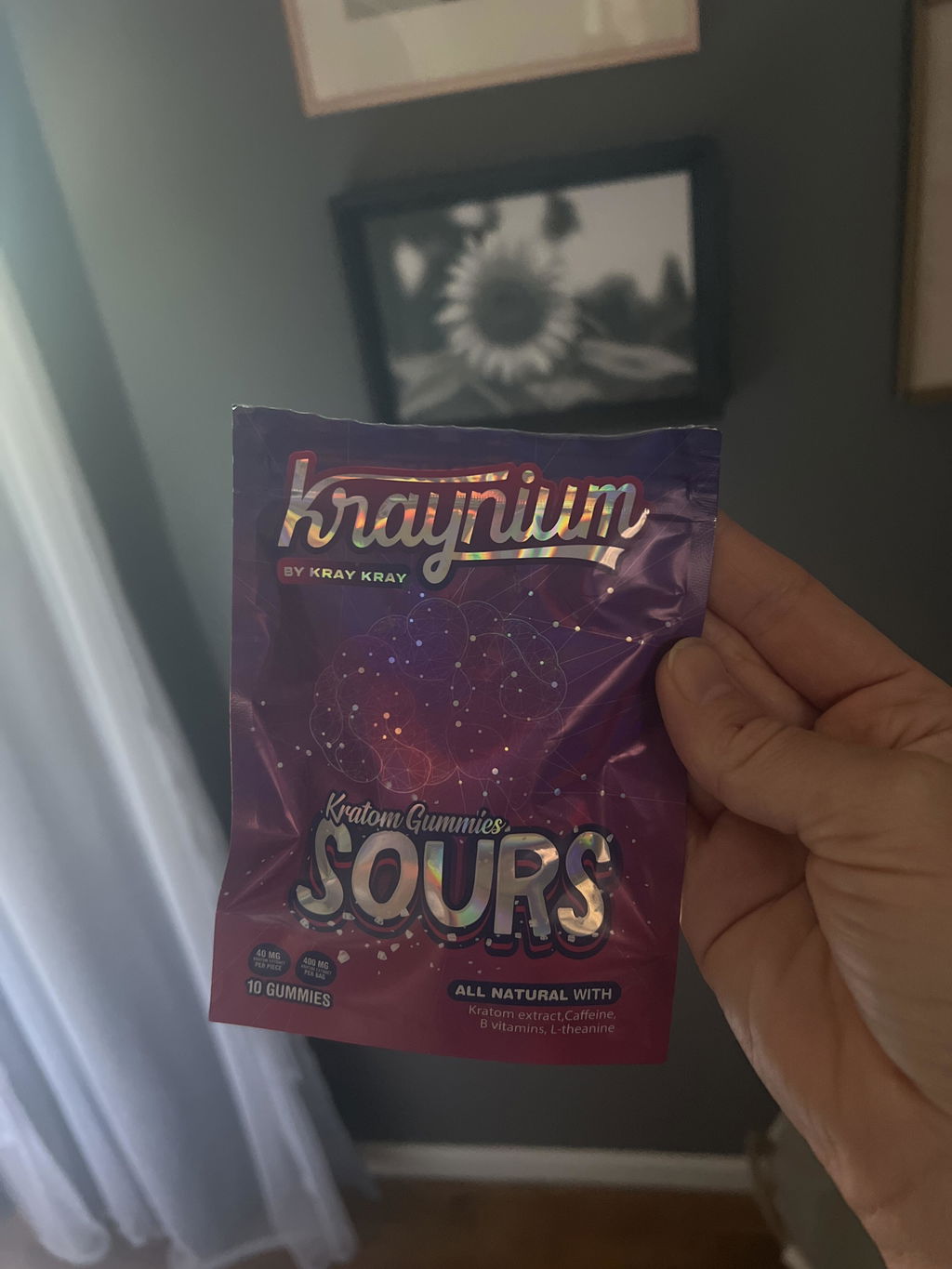
- Kratom Gummies: Some gummies contain additional ingredients, so caffeine content depends on the formulation
- Kratom Beverages: Certain ready-to-drink products may include caffeine as a separately added ingredient
Ultimately, the product's complete formulation determines whether added caffeine is present, not whether it comes as a powder, capsule, gummy, or beverage.
Want to understand how Kratom formulations differ beyond caffeine content? Check out our Kratom gummies vs traditional Kratom comparison for more information about their ingredients and product characteristics.
Kratom and Caffeine: Why Are They Often Compared?
Kratom and caffeine are often compared because both have historical associations with alertness and physically demanding activities. However, these similarities do not make them chemically equivalent.
Here are three reasons behind the comparison:
- Traditional Background: Kratom has a history of traditional use among laborers in Southeast Asia, with historical accounts describing stimulant-like experiences. Coffee also has a long history of consumption across different cultures
- Consumer Curiosity: Kratom's botanical connection to coffee often leads people to wonder whether the two plants share similar compounds, particularly caffeine
- Chemical Classification: Caffeine is a methylxanthine, whereas Kratom contains indole alkaloids such as mitragynine
Curious why Kratom gummies are often mentioned in conversations about energy and focus? Explore our Kratom gummies and energy article for a closer look at consumer reports and the claims surrounding these products.
The distinction matters: Sharing a plant family or having similar historical associations does not mean two substances have identical chemical properties or biological effects.
Final Thoughts
Understanding Kratom caffeine content goes beyond knowing what's naturally present in the plant. When exploring commercial products, paying attention to the details makes a difference.
- Read Ingredient Labels: Check for added caffeine and other botanical extracts
- Review Product Information: Look for clear ingredient disclosures and available laboratory testing reports
- Check Individual Formulations: Don't assume products from the same category or brand have identical ingredients
Frequently Asked Questions
1. Does Kratom tea contain caffeine?
Kratom tea made exclusively from Kratom leaves does not naturally contain caffeine. However, commercial tea blends may include caffeinated ingredients, so reviewing the ingredient list is important.
2. Is Kratom considered a stimulant?
Kratom has been associated with stimulant-like effects in some reports. However, its alkaloids interact with multiple biological pathways, making its pharmacological profile different from conventional stimulants like caffeine.
3. Can Kratom and caffeine interact with medications?
Both substances may interact with certain medications. Research on their combined interactions remains limited. Consult a qualified healthcare professional about potential medication interactions.
4. Does caffeine appear on Kratom product lab reports?
Not necessarily. Standard Kratom lab reports often focus on alkaloid concentrations, heavy metals, and contaminants. Identifying caffeine requires specific testing and may not appear unless the lab includes it.
5. Are all Kratom gummies caffeine-free?
No. Although Kratom leaves do not naturally contain caffeine, some gummy formulations may include it as an added ingredient. Check the manufacturer's ingredient list and caffeine disclosures for product-specific information.
6. Is there caffeine in Kratom naturally?
No. Caffeine is not a naturally occurring compound in Kratom leaves, though it may be added to certain commercial formulations.
Disclaimer: This article is for educational and informational purposes only and does not constitute medical advice. Kratom products are intended for adults aged 21 and older and are not recommended for pregnant or breastfeeding women. Consult a healthcare professional before using Kratom, especially if you have a medical condition or take medication. Do not combine Kratom with alcohol or medication. The statements regarding these products have not been evaluated by the FDA. These products are not intended to diagnose, treat, cure, or prevent any disease.