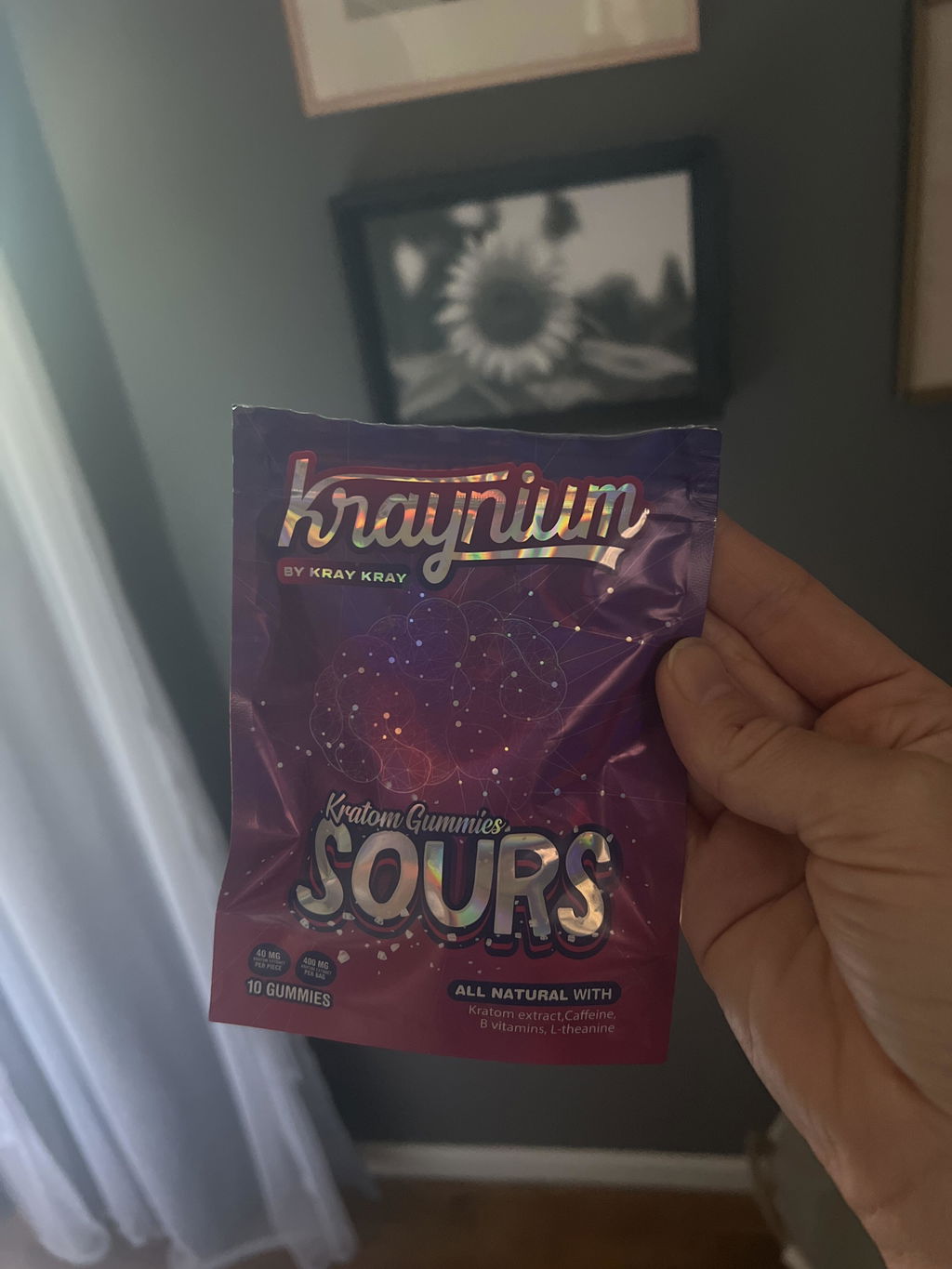

Kratom gummies vs tea comes down to differences in processing, ingredients, alkaloid composition, and preparation. Both originate from the Mitragyna speciosa plant, but gummies are manufactured edibles that often contain Kratom extracts, while traditional Kratom tea is made from botanical leaf material.
It's a centuries-old botanical brew. The other's a modern gummy. Same plant, two very different formats. Things just got a little Kray!
So, what really sets them apart? Let's break down the differences, from ingredients and manufacturing to alkaloid content and product labeling.
Key Takeaways
- Botanical Origin: Both Kratom gummies and tea come from the Mitragyna speciosa plant
- Processing: Gummies typically contain processed extracts, while traditional tea uses Kratom leaves
- Alkaloid Composition: Mitragynine levels vary depending on the product and manufacturing process
- Product Format: Gummies are prepackaged edibles, whereas tea is a brewed beverage
- Lab Testing: Batch-specific laboratory reports can verify tested alkaloid concentrations and identify certain contaminants, depending on the analyses performed
Kratom Gummies vs. Tea: Key Differences at a Glance
Two formats. One botanical origin. Here's how they stack up! While Kratom gummies and tea come from the same plant, their ingredients, processing methods, and product characteristics differ.
Here's a quick comparison of Kratom gummies vs tea to understand what makes each format unique.
|
Feature |
Kratom Gummies |
Kratom Tea |
|
Origin |
Mitragyna speciosa plant |
Mitragyna speciosa plant |
|
Format |
Manufactured edible |
Brewed botanical beverage |
|
Ingredients |
Kratom extract, gelling agents, and other ingredients |
Kratom leaves or powder and water |
|
Processing |
Extract preparation and gummy manufacturing |
Leaf preparation and brewing |
|
Alkaloid Content |
Varies by extract and formulation |
Varies by leaf material and preparation |
|
Packaging |
Prepackaged gummies |
Loose leaves, powder, or tea bags |
|
Lab Testing |
Depends on manufacturer |
Depends on supplier |
Product format alone doesn't determine alkaloid concentration or quality. Ingredients, processing methods, and batch-specific laboratory reports provide a clearer picture of what's actually in each product.
What Are Kratom Gummies?
Kratom gummies are modern edible products made with Kratom-derived ingredients, often in extract form. Kratom gummies, compared to tea, differ mainly in how they're manufactured, formulated, and packaged. Here's what makes them unique:
- Botanical Source: Made using ingredients derived from the Mitragyna speciosa plant
- Manufacturing: Typically combine Kratom extracts with gelling agents, sweeteners, and other ingredients
- Product Varieties: Available in different formulations, packaging styles, and product ranges
Curious about the different options? Explore the Kray Kray Gummies collection.
What Is Kratom Tea?
Kratom tea is a herbal beverage brewed from the dried or crushed leaves of Mitragyna speciosa, a tropical tree native to Southeast Asia and related to the coffee plant. According to the National Center for Complementary and Integrative Health (NCCIH), Kratom has a long history of traditional use in countries such as Thailand and Malaysia.
Here's what defines Kratom tea:
- Traditional Background: Kratom leaves have been used in Southeast Asian communities for generations
- Botanical Material: Traditionally associated with fresh or dried Kratom leaves
- Product Format: Available as loose leaves, powder, or packaged tea products
Kratom Tea and Gummies Differences: A Detailed Comparison
The differences between Kratom tea and gummies go beyond their appearance. Processing methods, extraction techniques, and manufacturing standards can influence their final composition. Let's break it down!
1. Ingredients and Manufacturing
The biggest manufacturing difference lies in how Kratom's botanical compounds are incorporated into the final product.
- Gummies: Manufacturers typically use processed Kratom extracts, which may undergo filtration, concentration, and other production steps before being incorporated into gummy formulations
- Tea: Brewing transfers some compounds from Kratom leaves into water. The resulting composition depends on the botanical material and extraction conditions
2. Alkaloid Composition
Both formats originate from the same plant, but processing can influence which alkaloids appear in the finished product and their concentrations.
- Gummies: Extract processing and formulation can change the relative concentrations of naturally occurring alkaloids, including mitragynine
- Tea: The proportion of alkaloids transferred from leaf material into water depends on extraction conditions, meaning the final composition may vary
3. Preparation and Product Format
Beyond the finished product's appearance, another difference is how manufacturers control the production process.
- Gummies: Commercial manufacturing may involve measured extract quantities and standardized production processes, although consistency depends on quality controls
- Tea: Variations in botanical material and preparation conditions can produce differences between batches, making composition harder to standardize
4. Labeling and Product Consistency
Product labels and laboratory reports provide a clearer picture of composition than appearance or packaging alone.
- Gummies: Labels may specify extract concentrations or alkaloid quantities, allowing comparison with batch-specific laboratory reports
- Tea: Labels may identify the botanical source and leaf material, while laboratory reports can provide additional information about alkaloid composition
Neither format automatically guarantees consistency, regardless of how it's manufactured or packaged.
What Should You Look for When Comparing Kratom Gummies and Tea?
A flashy package gets attention. But the fine print? That's where the real details hide!
Whether you're comparing Kratom gummies or Kratom tea, knowing what to look for on product labels can help you understand the differences beyond packaging. Here are five important things to check:
- Ingredient List: Check whether the product contains Kratom leaf material, extracts, or additional ingredients
- Alkaloid Details: Look for clearly stated information about mitragynine and other identified alkaloids
- Third-Party Testing: Check for batch-specific Certificates of Analysis (COAs) verifying product composition and testing results
- Manufacturer Transparency: Review the brand's contact details, product information, and manufacturing disclosures
- Regulatory Information: Look for appropriate age restrictions, warning statements, and applicable labeling requirements
Beyond ingredient lists, manufacturing practices and product transparency deserve attention, too.
If you want to know more about Kray Kray’s approach behind the products, read our blog on “How Kray Kray sets the industry standards?”
Final Thoughts
The Kratom gummies vs tea comparison shows how two products from the same plant can differ in ingredients, manufacturing, and alkaloid composition. Whether you're exploring traditional tea or modern gummies, understanding product labels, ingredient transparency, and third-party lab reports helps you look beyond the packaging.
After all, the differences aren't always obvious at first glance. Sometimes, the details tell the most interesting story!
Frequently Asked Questions
1. Are Kratom gummies stronger than Kratom tea?
Not necessarily. Alkaloid concentrations vary depending on the Kratom extract, leaf material, and processing methods. Neither product format automatically guarantees a higher alkaloid concentration.
2. Do Kratom gummies and tea contain the same alkaloids?
Both formats may contain naturally occurring Kratom alkaloids, including mitragynine. However, their alkaloid profiles and concentrations can vary depending on the botanical material, extraction methods, and manufacturing processes.
3. What are the traditionally reported Kratom tea benefits?
Kratom tea has a history of traditional use in Southeast Asia. However, reported Kratom tea benefits should not be confused with scientifically established health benefits, as clinical research remains limited.
4. Are all Kratom gummies made using the same type of extract?
No. Manufacturers may use different Kratom extracts with varying alkaloid concentrations and compositions. The extract type depends on the formulation, production methods, and the manufacturer's specifications.
5. Are Kratom gummies and tea legal in every US state?
No. Kratom regulations vary across US states and local jurisdictions. Certain restrictions may also depend on the product's alkaloid composition, labeling, and formulation.
6. How should Kratom gummies and tea products be stored?
Follow the manufacturer's storage instructions. Generally, keep products in their original packaging, away from excessive heat and moisture, and securely out of reach of children and pets.
Disclaimer: For adults 21+ only. Kratom products have not been approved by the FDA to diagnose, treat, cure, or prevent any disease. Kratom may carry health risks. Consult a healthcare professional if you have questions about Kratom products.